 how-to
5 Steps in California's 2026 Tenant Eviction Process
Quick Summary
The eviction process in California usually runs in order: confirm legal grounds, serve the correct notice, file an unlawful detainer case, attend the court hearing, and then carry out any judgment. The 3-day notice to pay rent or quit is the usual first step for unpaid rent. Each stage has strict deadlines, so skipping steps often causes delays.
- Confirm valid legal grounds and read the lease before serving any notice.
- A three-day notice counts calendar days, excluding weekends and judicial holidays.
- Keep written proof of service for every notice, including date, time and method.
- Accepting rent after serving a three-day notice may waive your right to evict.
- Only the sheriff can enforce a writ of possession; self-help eviction is illegal.
Table of Contents
- Last Updated: November 1, 2026
- California Eviction Timeline 2026: How Long Each Stage Takes
- Step 1: Confirm Valid Legal Grounds for Eviction
- Step 2: Serve the 3-Day Notice to Pay Rent or Quit in California
- Step 3: Start the California Unlawful Detainer Process
- Step 4: Court Hearing, Response Deadlines and Judgment
- California Eviction Costs in 2026: Filing Fees, Service and Relocation
- Book Your Free Consultation to Keep Your Eviction Process Compliant
- Frequently Asked Questions
Last Updated: November 1, 2026
Evicting a tenant in California takes longer than most landlords expect, and a single mistake in the paperwork can restart the clock. The eviction process is one of the areas where careful steps save the most time and money.
The process has a clear order. You confirm legal grounds, serve the right notice, file an unlawful detainer case, attend the court hearing, and then carry out any judgment. Each step has its own deadlines, so skipping ahead usually causes delays.
California Eviction Timeline 2026: How Long Each Stage Takes
An unlawful detainer is the court case a landlord files to recover possession of a rental unit. The total time depends on the notice period, how fast the tenant responds, the court's calendar, and whether the tenant contests the case. Navigating these procedural complexities often requires the specialized expertise of landlord tenant lawyers to ensure that every filing adheres to the strict requirements of California law.
Most cases follow a rough pattern:
- Notice period: Typically 3 to 60 days, depending on the reason
- Filing and service: Usually a few days to a few weeks
- Tenant response window: Generally 5 court days after service of the summons
- Hearing and judgment: Often several weeks to a few months, depending on the court
Timelines vary by county and by how the tenant reacts. Treat these ranges as a planning guide, not a promise.
Step 1: Confirm Valid Legal Grounds for Eviction
Before any notice goes out, you need a valid reason. Read this screening guide to avoid situations that lead to eviction. Learn how tenant screening helps prevent problems before they reach this stage. California law generally allows eviction for nonpayment of rent, a serious or repeated lease violation, or certain other lawful causes.
Check the basics first:
- Read the lease. Find the exact clause the tenant broke.
- Document the problem. Save rent ledgers, photos, and written complaints.
- Check for protected status. Some tenants have added protections under local rules.
- Confirm the right notice type. Nonpayment and lease violations require different notices.
Watch out: Retaliatory eviction is illegal. Filing after a tenant complains about repairs or reports a code violation can expose you to penalties.
Step 2: Serve the 3-Day Notice to Pay Rent or Quit in California
For unpaid rent, the usual first step is a three-day notice to pay rent or quit. It gives the tenant three days to pay the full amount owed or leave the unit.
A valid three-day notice must include specific details. Use this checklist before you serve it:
- Tenant names: List every adult tenant named on the lease, exactly as the lease spells them.
- Premises address: Include the full street address, unit number, city, state, and ZIP code.
- Amount due: State the exact rent amount owed, broken down by month or rental period. Do not include late fees, utilities, or other charges unless the lease and state law allow them to be treated as rent.
- Payment instructions: Tell the tenant where and to whom to pay, including the name, address, and phone number of the person authorized to receive payment. If you accept payment by mail, state that.
- Deadline: State the date by which payment must be made, calculated using the calendar-day rule above.
- Signature and date: Sign and date the notice.
- Service method: Indicate how the notice was served and the date of service.
Service methods. California law allows three methods for serving a three-day notice:
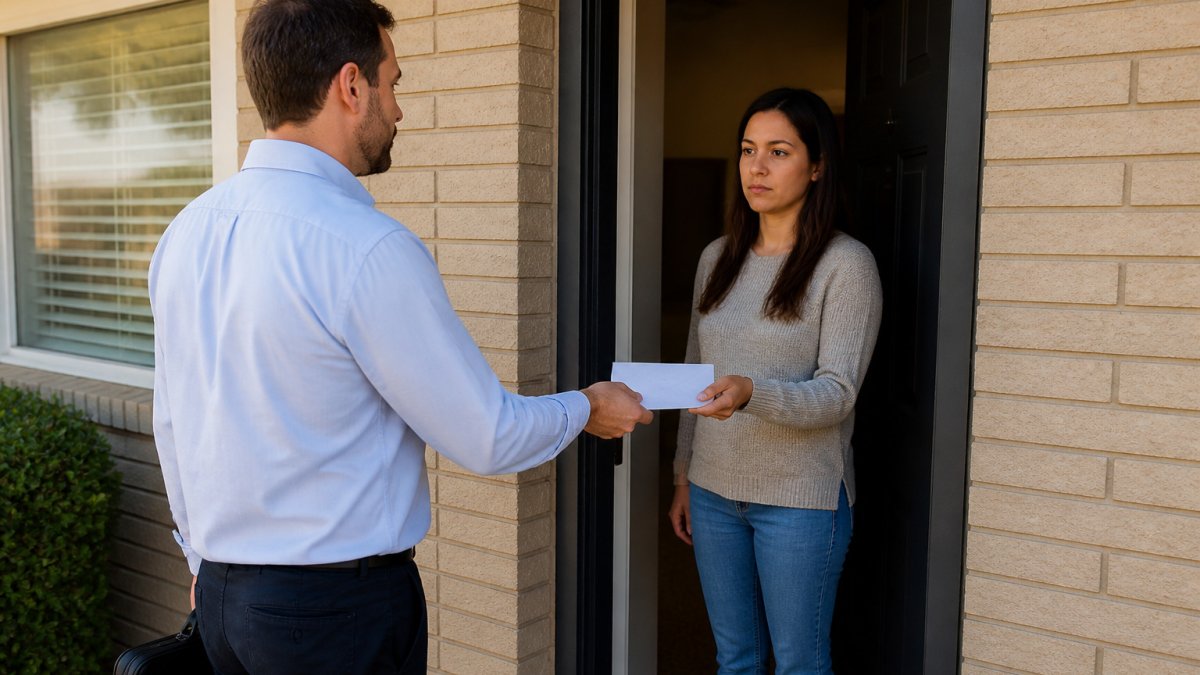
- Personal delivery: Hand the notice to the tenant directly. This is the cleanest method and the easiest to prove.
- Substituted service: If the tenant is not home, leave a copy with a person of suitable age and discretion at the tenant's residence or workplace, and also mail a copy to the tenant at the property address. The notice is generally considered served on the date the copy is mailed, but the three-day clock may not start until the mailing is complete. Confirm the current rule with your county superior court or a qualified attorney.
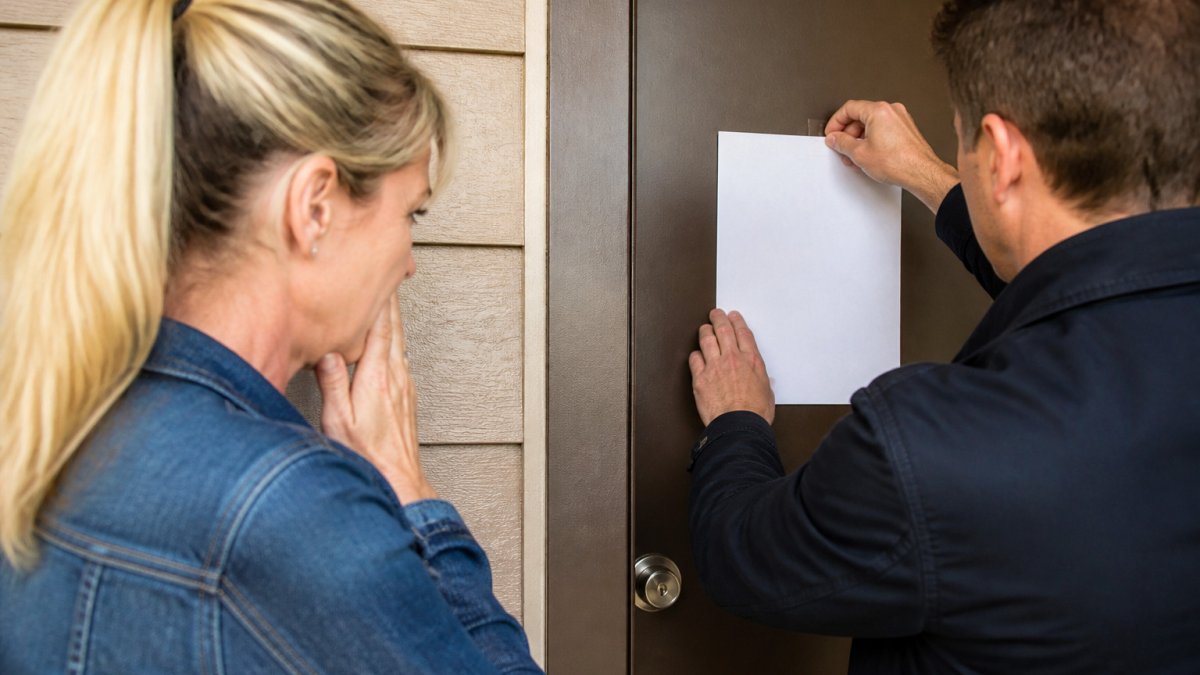
- Posting and mailing: If personal and substituted service are not possible, post the notice in a conspicuous place on the property and mail a copy to the tenant at the property address. This method carries the most risk of a service challenge, so document every step.
Proof of service. Keep a written proof of service for every notice. The proof should include the date, time, and method of service, the name of the person who served the notice, and a declaration signed under penalty of perjury. If you use a process server, keep the server's declaration.
Common service errors to avoid:
- Serving the notice before the rent is actually due
- Miscalculating the three-day period by including weekends or court holidays
- Listing the wrong amount or including charges that are not rent
- Failing to name all adult tenants
- Using a service method that does not match the proof of service
- Accepting partial payment after serving the notice without a written agreement on how it will be applied
Notice Periods for Other Lease Violations
Lease violations use different timelines. A cure-or-quit notice gives the tenant a chance to fix the problem, while a notice to quit for a serious violation may give little or no time to cure. Read the lease and state law before choosing the notice, because the wrong one can invalidate your case.
The table below summarises the three service methods for a 3-day notice and what each one requires, as described in the article.
| Service method | When it applies | Key requirement |
|---|---|---|
| Personal delivery | Tenant can be handed the notice | Hand the notice to the tenant directly |
| Substituted service | Tenant is not home | Leave a copy with a suitable person and mail a copy |
| Posting and mailing | Personal and substituted service are not possible | Post in a conspicuous place and mail a copy |
Step 3: Start the California Unlawful Detainer Process
Gather these documents before you file:
Schedule Your Free Consultation →
- A copy of the lease or rental agreement
- The notice you served and the proof of service
- Records of rent owed or the lease violation
- The completed court forms for the case
- Any communications with the tenant about the notice or the dispute
Court forms. The California Judicial Council publishes the forms most landlords need (Eviction forms | California Courts). Common forms include:
- Complaint, Unlawful Detainer (form UD-100)
- Summons, Unlawful Detainer (form UD-101)
- Plaintiff's Mandatory Cover Sheet and Supplemental Allegations, Unlawful Detainer (form UD-101S, where required by local rules)
- Proof of Service of Summons (form POS-010 or the applicable local form)
- Request for Entry of Default (form CIV-100) if the tenant does not respond
- Judgment, Unlawful Detainer (form UD-110)
Check your county superior court's local rules and fee schedule before filing. Some courts require additional local forms or cover sheets.
Filing fees. California superior courts charge a filing fee for an unlawful detainer complaint.
Service of the summons and complaint. After filing, the court issues a summons. You must have the tenant served with the summons and complaint.
Tenant response and defenses. The tenant can respond by filing an answer or a demurrer. Common tenant defenses in unlawful detainer cases include:
- Improper notice: The notice was defective, served incorrectly, or gave the wrong amount of time.
- Retaliation: The eviction is in response to the tenant exercising a legal right, such as requesting repairs.
- Habitability: The unit has serious health or safety problems that the landlord failed to fix.
- Discrimination: The eviction violates fair housing laws.
- Protected status: The tenant has protections under local rent control, just-cause, or relocation rules.
- Payment or cure: The tenant paid the amount owed or fixed the violation within the notice period.
If the tenant files an answer, the case moves to a hearing.
Step 4: Court Hearing, Response Deadlines and Judgment
The tenant must file a written response within the deadline printed on the summons. If the tenant does not respond, you can ask the court for a default judgment.
If the tenant responds, the case goes to a hearing. Be ready to show your notice, proof of service, lease, and payment records.
Watch out: Never lock a tenant out or remove belongings yourself. Only the sheriff can enforce a writ of possession, and self-help eviction is illegal in California.
California Eviction Costs in 2026: Filing Fees, Service and Relocation
Costs add up quickly, and they include more than the court filing fee. Expect to pay for the following:
- Court filing fee: Set by the court, so confirm the current amount with your county superior court
- Process server fees: Charged for delivering the summons and complaint
- Sheriff fees: Charged when the sheriff carries out a writ of possession
- Relocation assistance: Some cities and counties require payment to tenants in certain no-fault cases
Pricing for property management help depends on the number of units, the work involved, and the timeline. Check our tenant FAQs to see how management fees and owner costs are handled. Check the Performance Property Management pricing page for current pricing.
Book Your Free Consultation to Keep Your Eviction Process Compliant
Eviction rules change, and small errors can cost months. Performance Property Management handles tenant relations and eviction steps for owners in Kern County.
Schedule Your Free Consultation with us to talk through your situation and your next steps. Contact us by web form, phone, or email to get started.
Frequently Asked Questions
How long does it take to evict a renter in California?
A typical California unlawful detainer case often runs about 30 to 90 days from the first notice to a lockout, depending on whether the tenant responds, how busy the local court is and whether a hearing is contested. The 3-day notice period is the shortest stage. Court response deadlines and scheduling add most of the remaining time. Landlords should plan for a longer timeline if the tenant files an answer or raises a defense, and should never change the locks or remove belongings without a court-ordered writ of possession enforced by the sheriff.
What notice does a landlord need to give before starting an eviction in California?
For nonpayment of rent, California landlords typically serve a 3-day notice to pay rent or quit, excluding weekends and court holidays. For other lease violations, the notice to perform covenants or quit usually allows 3 days to cure the violation, while ending a tenancy without fault may require a 30-day or 60-day notice depending on how long the tenant has lived in the unit. The notice must be served correctly and the landlord should keep proof of service before filing a complaint.
How much does it cost to legally evict someone in California?
Eviction costs in California in 2026 usually include the court filing fee for an unlawful detainer complaint, the fee for service of summons and complaint, and sheriff's fees if a writ of possession is needed. Costs vary by county and by whether the case is contested. Attorney fees, if used, are additional. Landlords should confirm current fee amounts with their local superior court, and tenants should be aware that relocation assistance may be required in certain situations under local or state rules.
How long does a tenant have to respond to an eviction lawsuit in California?
After an unlawful detainer complaint and summons are served, a California tenant generally has 5 court days to file a written response, which is an answer or demurrer, with the court. Missing this deadline can lead to a default judgment. Tenants who receive a summons should respond on time, consider legal aid resources and keep copies of all filings and proof of service.